Stay heart safe during a heatwave
Media release: Wednesday 7 January 2026
Heart Foundation urges people to protect their heart health as heatwave places vulnerable at-risk
The Heart Foundation is urging people at-risk of or currently managing heart disease to take care during this week's heatwave due to the links between heat and stress on the heart.
With extreme conditions forecast in multiple states over the coming days, with temperatures in some areas soaring to 30C and even above 40C, the Heart Foundation is urging people in Australia to take extra precautions and plan ahead for their heart health.
Heart Foundation Chief Medical Advisor Professor Garry Jennings warned severe heat can place stress on the heart, and heart-related deaths were known to increase during heatwaves .
“Extreme heat puts extra strain on the heart, and we see a spike in heart-related deaths during heatwaves,” Prof Jennings said.
“When temperatures soar, your heart works harder to keep your body cool. This extra strain can trigger serious problems, especially for those most at risk.
“We are advising people who are most vulerable to be aware that the heat has an impact on your heart health and to take preventive action and encourage others to do the same.”
People who are most vulnerable to heart stress due to heat include:
- Adults over 65
- People with existing heart disease or high blood pressure
- Babies and young children
- Pregnant women
- People with chronic illnesses (e.g., kidney problems)
- Those who are socially isolated.
Dr Georgia Chaseling, who is part of the World Heart Federation Air Pollution and Climate Change Expert Group and specialises on how environments can impact the cardiovascular system, said during extreme heat conditions it was important for people who had experienced a heart attack or who have heart disease to know their body needs to work harder to keep cool.
“Heat starts to impact the body before we start to feel really hot, so it is important to ensure you prepare yourself and your home for the hot weather,” Dr Chaseling said.
“Your core body temperature does not need to increase by a lot before the heart has to work harder. Even light activities like gardening or cooking in a hot kitchen can cause strain on the body on a hot day.
“If you use air-conditioning, try setting the temperature point to 25-27°C to reduce energy costs and prevent power cuts. Using air-conditioning at higher temperatures coupled with a fan is a really great way to stay cool and comfortable. If you don’t have air-conditioning at home, familiarise yourself with where your local library or shopping centre is and ensure you stay in touch with family or friends.”
Prof Jennings also encouraged people to take action to protect their heart during days of severe heat.
“Simple steps like staying hydrated, keeping cool, and checking on vulnerable people can save lives,” Prof Jennings said.
“If you do feel symptoms such as feeling faint, shortness of breath, dizziness or jaw, arm or back pain, know that these can be heart attack symptoms so do not delay, call Triple Zero (000) immediately.”
Key tips to stay heart safe during extreme heat include:
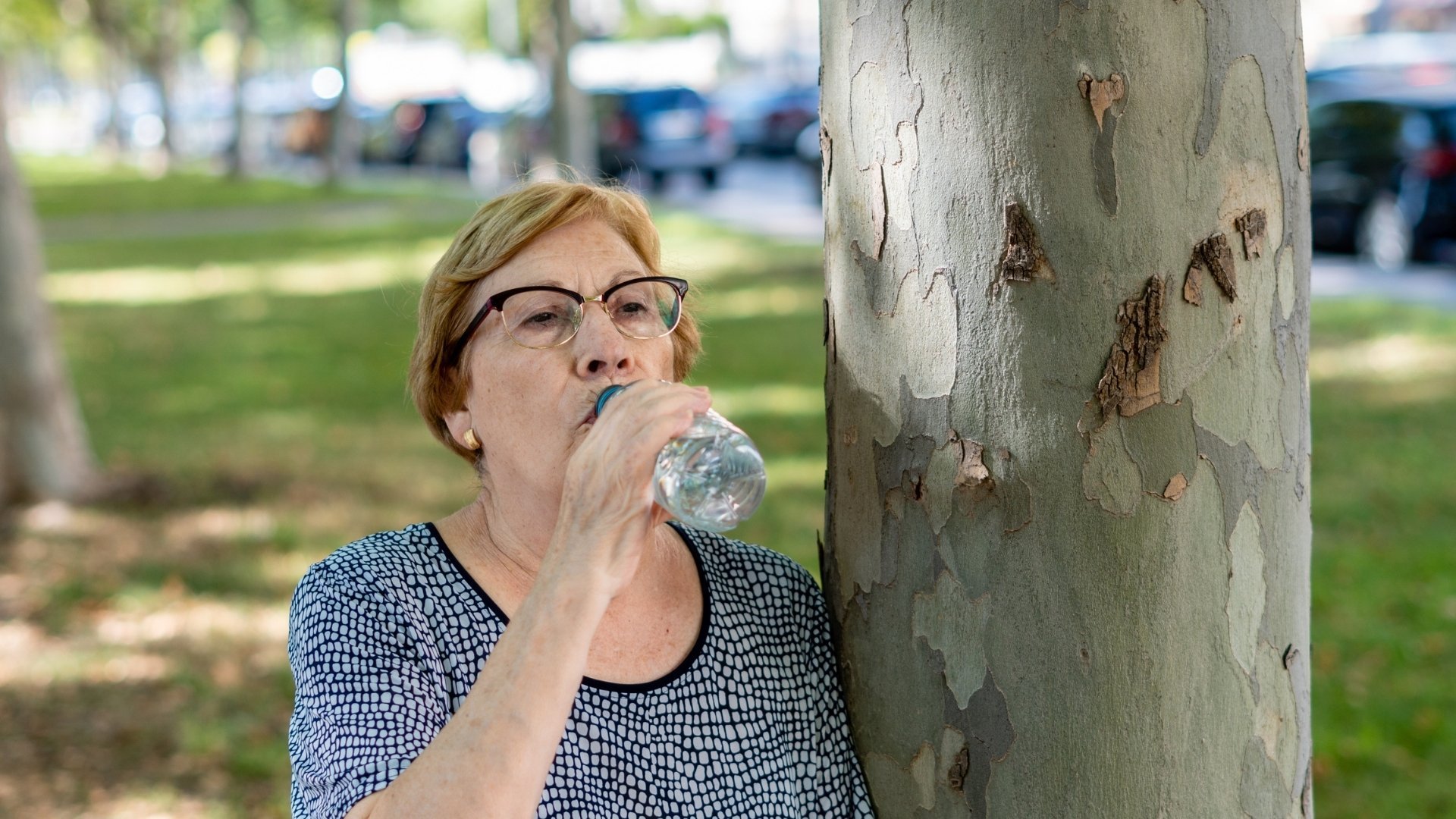
- Stay hydrated: Drink plenty of water, even if you don’t feel thirsty.
- Keep cool: Stay indoors during the hottest part of the day, use fans or air conditioning if possible.
- Avoid strenuous activity: Postpone heavy work or exercise until cooler times.
- Check medications: Some medicines can affect how your body handles heat—ask your doctor if you’re unsure.
- Look out for others: Check on elderly neighbours, family members, and anyone living alone.
- Know the warning signs of a heart event: Chest pain, dizziness, shortness of breath or fainting are medical emergencies. Call Triple Zero (000) immediately if you experience symptoms.
You might also be interested in...

Successful SMS trial paves way for national heart disease screening program
The Heart Foundation is advocating for the development of Australia’s first-ever heart disease screening program after a randomised controlled trial - Text to Detect - found a significant increase in people receiving heart health checks with their doctor.
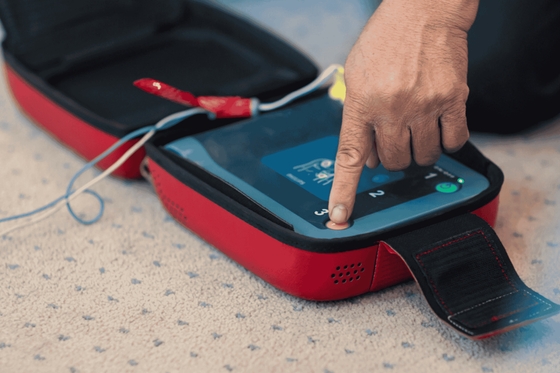
It’s shockingly simple to help save a life – just use an AED!
South Australians are being urged to use an Automated External Defibrillator (AED) in the event of a cardiac arrest, with a local campaign launching to highlight how simple AEDs are to use.
AIHW report reveals more be done to prevent heart failure patient readmission
New AIHW report reveals 65% of heart failure patients return to emergency departments within a year. The Heart Foundation urges better support to reduce readmissions and improve outcomes.
Last updated08 January 2026